
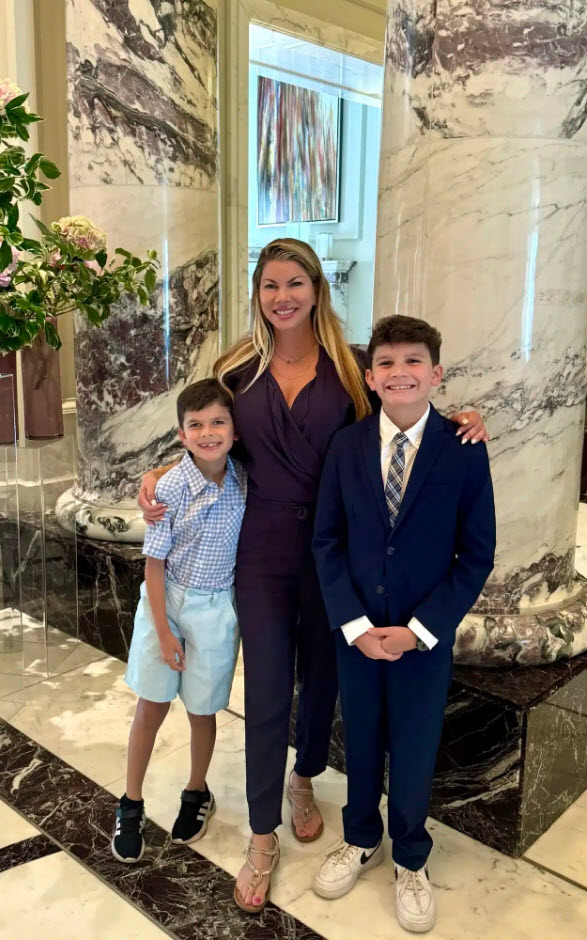
The essay below was shared Amanda Vlastas, the mom of two behind West University Moms.
Dry January was meant to be a pause, a small experiment to see how I felt without alcohol. I’ll start with the obvious because everyone asks: Yes, I lost a little weight, my face is noticeably less bloated, and my skin looks better. Those changes are satisfying, but they turned out to be the least interesting part.
What the break really revealed was how deeply drinking had blended into daily life. It showed up at dinners, playdates, social gatherings, even casual conversations. It was normalized, joked about, encouraged. I didn’t fully grasp how constant it was until I became the person saying “no thanks” and suddenly felt like the odd one out.
A month turned into a year, not because I set out to quit forever, but because I became curious about who I was when I stayed fully present. Once I saw that clearly, it was hard to unsee it.
Here are the biggest things I noticed along the way:
1) Drinking was delaying feelings I didn’t want to experience.
Boredom. Stress. Grief. Loneliness. Awkwardness. Shyness. Alcohol didn’t remove those feelings, it just postponed them. When I stopped drinking, I had to actually sit with what was there. As uncomfortable as that was at first, it turned out to be powerful. Feeling things didn’t break me, but avoiding them had quietly weakened me. At some point, I turned it into a secret game with myself. I’d notice the awkward moment, feel it fully, and see how long I could stay present without fixing it. Sometimes I’d even laugh internally at how uncomfortable I felt and realize that nothing bad was actually happening.
2) Cravings are temporary.
This one surprised me the most. Research shows cravings typically peak and fade within about five to thirty minutes. I had no idea, and once I learned that I didn’t have to obey every urge, my brain eventually moved on. That realization alone changed my relationship with impulse in every area of my life.
3) My kids were watching more than I realized.
Even when I thought I was being discreet, they noticed. I also started seeing how our culture uses alcohol as the answer for almost every emotion. We drink to celebrate. We drink to grieve. We drink when we’re stressed, bored, or overwhelmed.
I didn’t want to quietly reinforce the idea that this is just what adults do once they turn twenty-one. I didn’t want to model outsourcing emotional regulation to a drink. Choosing not to drink became a quiet way of showing them that I don’t outsource my coping. When the time is right, I’ll probably talk to them about why I stopped, but for now, the example feels like enough.
4) The practical benefits added up quickly.
More time. No hangovers. No hangxiety. No uncertainty about what I said or did the night before. And more money. I am now the cheapest date, and honestly, it’s so much cheaper.
5) I became fully present, even if it meant changing how people saw me.
I felt steadier and more responsible for myself. I also had to adjust to a softer, more reflective version of me. Drinking used to amplify my extroverted, wild side, and now everyone has had to recalibrate to the calmer, less “on” version. It’s an adjustment, but one I’m surprisingly comfortable with.
This year has required real shifts. I don’t go to as many social engagements anymore. I leave earlier. I say no more often. In return, I’ve said yes to things I once overlooked. Art. Gardening. Meditating. Taking courses and learning more about myself. All of it sounds a little cliché when I write it out, and sometimes clichés exist because they’re true.
What started as a one-month experiment became an invitation into a different way of living. One that feels steadier, clearer, and more hopeful. Not perfect or always comfortable, but real.